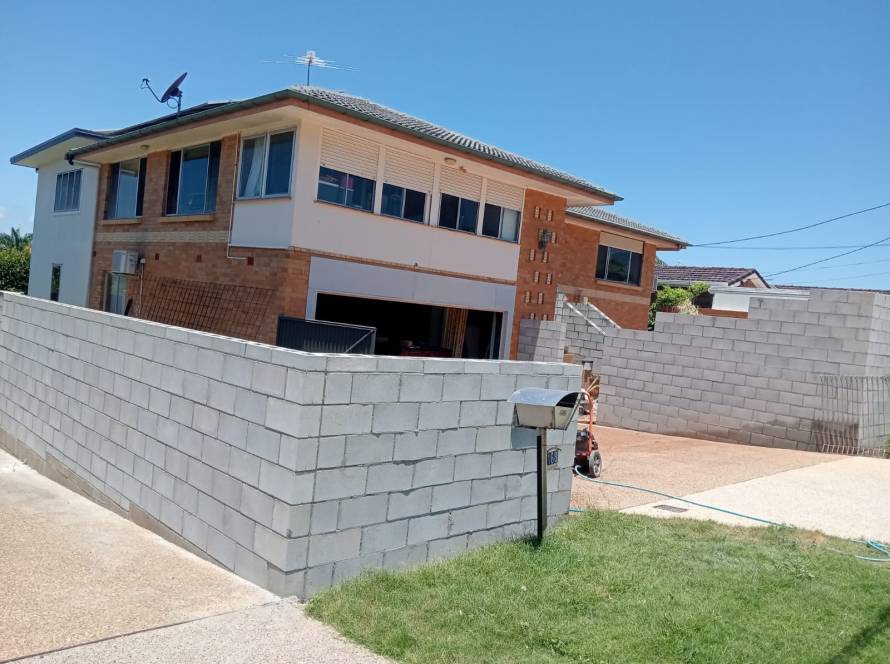
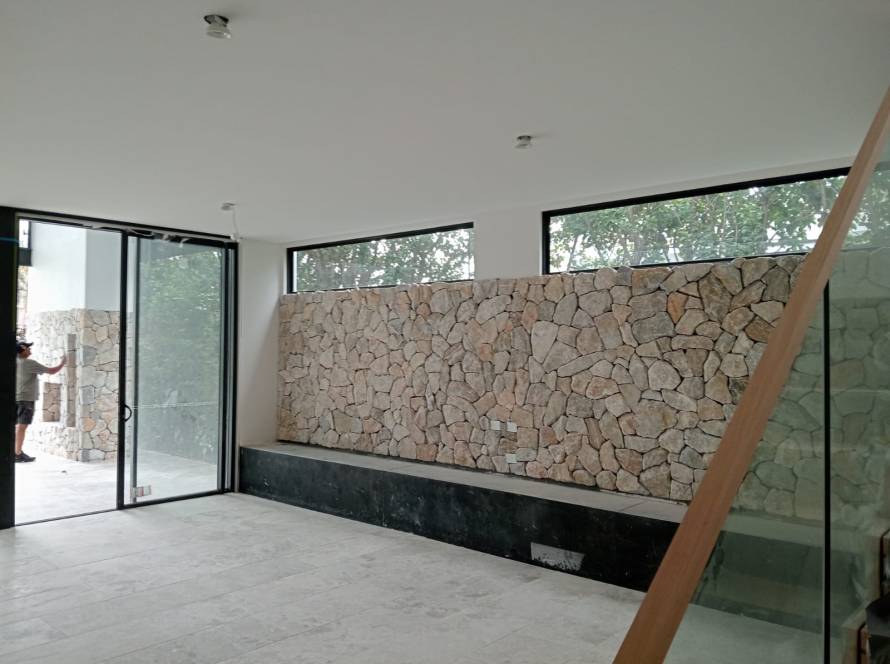
Choosing the right bricklayer affects the strength, appearance and long-term performance of your property. Whether you need a new wall, cracked masonry repaired, a damaged wall replaced or brickwork for a renovation, compare contractors on more than price alone.
Brisbane brickwork faces intense sun, heavy rain and humidity. Good planning, suitable materials and careful workmanship help it perform in these conditions. Use this guide to assess bricklayers in Brisbane for residential or commercial work.
What does a professional bricklayer do?
Depending on the project and the contractor’s licence scope, bricklaying and blocklaying can cover new brick and block walls, repairs, repointing, fencing, landscaping masonry, renovation work and associated footings. The right contractor has experience with the specific work you need.
1. Define your project before asking for quotes
Repairing a few mortar joints is different from removing and rebuilding a damaged wall. Describe the location, size and condition of the masonry, then identify the result you want.
- New construction: Boundary, garden, feature or block walls, fencing and masonry for extensions.
- Repairs: Cracked bricks, loose sections, weathered mortar or water-related damage.
- Repointing: Removal and replacement of deteriorated mortar with a compatible mix and finish.
- Removal and replacement: Rebuilding a wall or section when repair is unsuitable.
- Renovations: Brickwork integrated with openings, alterations, landscaping or other trades.
2. Check licensing and approvals
Ask what Queensland licence the contractor holds and whether its scope covers your project. Bricklaying and blocklaying is a QBCC licence class, but the work involved in your job may require other qualified professionals or approvals. Confirm who will carry out the work and who will arrange any necessary inspections or certification before construction begins.
For larger renovations or structural work, check building approval and engineering requirements early. Property owners should make sure the required approvals are in place.
3. Look for relevant experience and inspect previous work
Years in business help, but similar projects are stronger evidence. If you need cracked wall repairs in Brisbane, ask to see comparable repairs. For a replacement wall, request examples of completed rebuilds.
When reviewing photos or finished work, look for straight walls, aligned bricks, consistent mortar joints, neat corners and clean finishes around openings. For repairs, check how well new brickwork, mortar colour and joint profiles blend with the existing wall.
4. Ask about site preparation and footings
A wall depends on what supports it. Depending on its design and location, preparation may involve excavation, concrete footings, reinforcement, drainage and ground preparation. Ask, “What footing does this wall require, and how was that determined?” A capable contractor should explain the design basis and recognise when engineering advice is needed.
5. Take cracks and unstable walls seriously
Cracks can result from several causes, including movement, settlement, moisture or construction issues. Watch for stair-step or horizontal cracks, bulging or leaning sections, gaps around openings and cracks that return after repair.
An inspection can establish whether local brick repair, mortar work, repointing, partial replacement or rebuilding is appropriate. If a wall appears unstable or affects another structure, seek qualified advice before repair or demolition.
6. Discuss repointing and mortar compatibility
Good repointing involves more than filling visible gaps. Ask how the contractor will remove deteriorated mortar, assess brick condition, choose a compatible mortar and match the existing joint profile and colour. Poor methods can damage bricks or leave an obvious patch, particularly on older homes.
7. Compare the scope of each quote
Obtain written quotes and compare the work included, rather than just the final price. Each quote should make clear:
- Labour, bricks or blocks, mortar and other materials
- Excavation, site preparation and footings where required
- Demolition, removal and waste disposal
- Repair method, cleaning and finishing
- Expected timeframe and the process for variations
Ask, “Exactly what is included in this price?” A low quote may omit work that another contractor has allowed for.
8. Consider Brisbane conditions and movement control
Rainfall, heat and humidity influence material selection, moisture management and drainage. Masonry also moves with temperature, moisture and building movement. Ask whether the design needs movement or articulation joints; the answer depends on the wall and applicable construction requirements.
9. Check communication, safety and project planning
A reliable bricklayer explains the work, provides a written quotation, communicates timing changes and discusses variations before extra work proceeds. This matters especially when several trades are involved.
Before wall removal, the contractor should assess whether the wall supports loads, connects to another structure, affects drainage, sits near a boundary or contains services. Plan demolition and rebuilding with the relevant safety, approval and engineering requirements in mind.
Questions to ask before hiring
- Are you licensed for this work, and who will complete it?
- Can you show me similar completed projects?
- Which bricks, blocks, mortar and supporting materials will you use?
- Does the wall need footings, drainage or movement joints?
- What happens if you find additional damage?
- Are removal, disposal, cleaning and finishing included?
- What is the expected timeframe?
- What approvals or inspections are required?
When should you seek brick repair advice?
Arrange an assessment if you notice new or recurring cracks, loose bricks, mortar falling out, water entering through masonry, significant movement, or a bowing or leaning wall. Early advice can clarify whether a small repair will suffice or a more substantial rebuild is needed.
Final checklist
Before choosing a bricklayer, confirm that the licence fits the work, the contractor has relevant examples, the quote specifies materials and preparation, potential drainage and footing needs have been considered, and approvals and variations are clear. Good communication and a realistic timeline should support the quality of the workmanship.
Frequently asked questions
How do I choose the best bricklayers in Brisbane?
Compare appropriate licensing, relevant experience, examples of previous work, quote detail and communication. Choose someone whose experience matches your specific project.
How much do bricklaying services cost in Brisbane?
Cost depends on project size, materials, access, excavation, footings, demolition, repairs and finishing. A site-specific written quote is more useful than a generic price.
Does a cracked brick wall need repair or rebuilding?
It depends on the cause and severity of the damage. Local defects may be repairable; significant movement or structural damage may require partial or complete rebuilding. Have substantial cracking assessed by a qualified professional.
What is brick repointing?
Repointing removes deteriorated mortar from joints and replaces it with suitable new mortar. It can improve the appearance and performance of masonry when the underlying brickwork is sound.
What should a bricklaying quote include?
It should identify the work, materials, labour, preparation, footings where applicable, demolition, disposal, finishing, timing and how variations will be handled.
Conclusion
Start with a clear description of the work, then assess licensing, comparable experience, workmanship and the detail in each quote. Discuss footings, drainage, movement control, repairs and approvals before work begins. A well-planned bricklaying project can deliver durable, attractive masonry for years to come.