10 Bricklaying Mistakes to Avoid When Building or Repairing Brick Structures
Building with bricks has remained one of the most trusted construction methods for centuries because of its durability, timeless appearance, and long-term value. Whether you’re constructing a new home, adding a retaining wall, building a garden feature, or repairing an existing brick structure, quality brickwork is essential for ensuring safety, longevity, and visual appeal.
However, bricklaying is much more than stacking bricks with mortar. Every stage—from preparing the foundation to selecting the right mortar mix—requires precision, planning, and expertise. Even small mistakes can compromise the strength of the structure, increase maintenance costs, and reduce property value over time.
Many homeowners and property developers attempt DIY brickwork to save money, only to discover expensive issues months or years later. Understanding the most common bricklaying mistakes to avoid can help you make informed decisions, protect your investment, and achieve lasting results.
In this guide, we’ll explore the ten most common bricklaying mistakes, explain why they occur, and share professional tips for achieving high-quality brickwork that stands the test of time.
Why Quality Bricklaying Matters
Brick structures are designed to withstand Australia’s diverse weather conditions, including intense sunlight, heavy rainfall, and changing temperatures. Poor workmanship can lead to structural movement, water penetration, cracked mortar joints, uneven walls, reduced property value, higher repair costs, and safety hazards.
Professional bricklayers understand engineering principles, Australian construction standards, drainage requirements, and material compatibility to deliver brickwork that lasts for decades.
1. Poor Foundation Preparation
Every successful brick structure starts with a solid foundation. Unfortunately, one of the biggest mistakes is laying bricks on unstable or poorly prepared ground.
A weak foundation allows the structure to settle unevenly, causing wall cracks, leaning brickwork, uneven surfaces, and structural instability.
Professional bricklayers evaluate soil conditions, load requirements, drainage, concrete footing depth, and reinforcement needs.
Expert Tip: Never begin bricklaying until the foundation has fully cured and meets engineering specifications.
2. Using the Wrong Mortar Mix
Mortar acts as the glue that binds bricks together. Choosing the wrong mortar ratio can weaken the entire structure.
Common mortar mistakes include too much cement, too much sand, incorrect water ratio, and mixing inconsistent batches.
Poor mortar can lead to cracking, shrinkage, water penetration, loose bricks, and reduced durability.
Professional bricklayers select mortar based on brick type, climate, structural requirements, and load-bearing capacity. This ensures optimal strength and flexibility.
3. Ignoring Proper Brick Alignment
Even slight alignment errors become obvious as walls increase in height. Poor alignment causes uneven walls, crooked corners, poor aesthetics, and structural weakness.
Professionals use string lines, spirit levels, laser levels, and plumb rules to ensure every course remains perfectly straight throughout construction.
Consistent alignment also improves the finished appearance, making the property look more valuable and professionally built.
4. Inadequate Mortar Joint Thickness
Mortar joints are not just cosmetic—they distribute structural loads evenly across the wall.
Common mistakes include thin joints, oversized joints, and uneven spacing.
Inconsistent joints create weak points where moisture and movement can cause deterioration. Professional bricklayers maintain uniform joint thickness throughout the project, ensuring both strength and visual consistency.
5. Poor Moisture Management
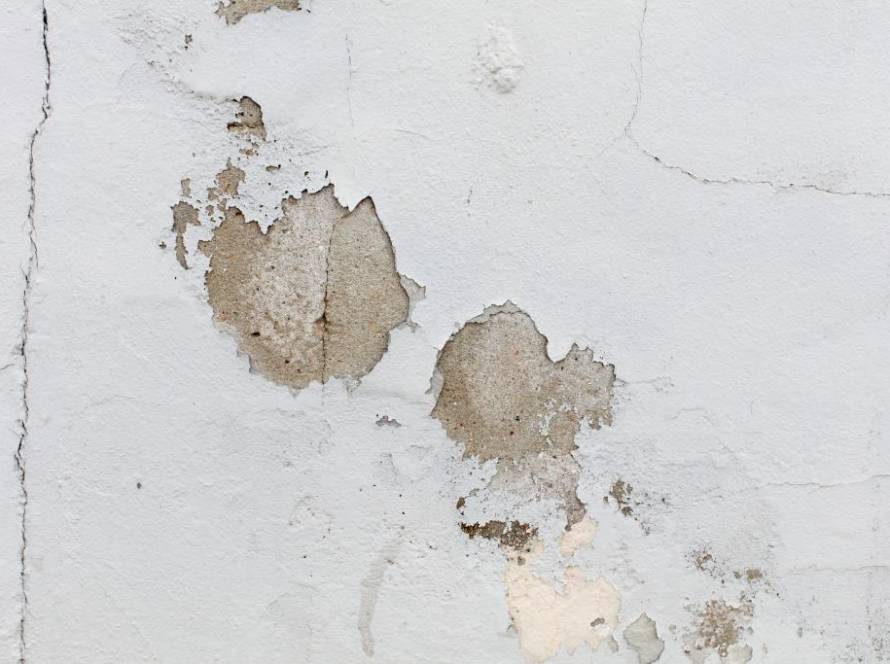
Water is one of brickwork’s biggest enemies. Without proper moisture control, brick structures can experience rising damp, efflorescence, mold growth, internal water damage, and brick deterioration.
Experienced bricklayers install damp-proof courses, flashings, drainage systems, and weep holes. These features allow moisture to escape while protecting the integrity of the building.
6. Rushing the Bricklaying Process
Bricklaying requires patience. Trying to finish a project too quickly often results in uneven brick courses, weak mortar bonds, poor curing, and reduced structural strength.
Mortar needs sufficient time to cure correctly before additional weight is added. Professional bricklayers follow systematic construction methods that prioritise quality over speed.
While rushing may save a few hours initially, it often leads to expensive repairs in the future.
7. Choosing Low-Quality Materials
Not all bricks are created equal. Low-quality materials often suffer from poor durability, colour inconsistency, water absorption, and premature cracking.
Professional contractors source high-grade bricks and construction materials suitable for Brisbane’s environmental conditions. Investing in quality materials significantly extends the lifespan of your project.
8. Forgetting Expansion Joints
Bricks naturally expand and contract as temperatures change. Without expansion joints, walls may develop horizontal cracks, vertical cracks, bulging, and structural stress.
Expansion joints allow controlled movement without damaging the masonry. Professional bricklayers understand exactly where these joints should be installed according to the structure’s size and design.
9. Overlooking Proper Curing Conditions
Mortar curing is one of the most overlooked aspects of brick construction. Extreme weather conditions can interfere with curing.
Problems include hot weather drying, heavy rain, frost, and strong winds. Improper curing weakens mortar and reduces long-term performance.
Experienced bricklayers monitor weather conditions carefully and protect fresh brickwork until curing is complete.
10. Hiring Inexperienced Bricklayers
The final and perhaps most costly mistake is choosing inexperienced contractors based solely on price.
Poor workmanship often results in uneven walls, poor structural integrity, frequent repairs, safety concerns, and increased maintenance costs.
Professional bricklayers bring years of experience, specialised equipment, and proven techniques that ensure every project meets high standards. Choosing qualified experts provides peace of mind and protects your investment for decades.
Signs Your Brickwork May Need Professional Attention
If your existing brick structure shows any of the following signs, it’s time to consult an experienced bricklayer:
- Cracked bricks.
- Loose mortar joints.
- Bowing walls.
- Water damage.
- Leaning retaining walls.
- White salt deposits (efflorescence).
- Gaps around windows or doors.
- Missing mortar.
Early intervention helps prevent more extensive and expensive repairs.
Benefits of Hiring Professional Bricklayers
- Superior craftsmanship.
- Compliance with Australian standards.
- Long-term durability.
- Cost savings.
- Enhanced property value.
Frequently Asked Questions
What is the most common bricklaying mistake?
Poor foundation preparation is one of the most common mistakes, often leading to cracks, uneven walls, and structural movement.
Can I repair damaged brickwork myself?
Minor cosmetic repairs may be possible, but structural damage should always be assessed and repaired by experienced bricklayers.
Why are expansion joints important?
Expansion joints accommodate natural movement caused by temperature changes, preventing cracks and structural stress.
How long should brick mortar cure?
Mortar generally requires several days for initial curing and approximately 28 days to reach its full strength, depending on weather conditions.
How often should brickwork be inspected?
It’s recommended to inspect brick structures every few years or after severe weather events to identify early signs of deterioration.
Conclusion
Understanding these bricklaying mistakes to avoid can help homeowners, builders, and property managers make smarter construction decisions. From foundation preparation and mortar selection to moisture management and expansion joints, every detail contributes to the long-term performance of a brick structure.
While DIY bricklaying may seem cost-effective, mistakes often lead to expensive repairs, compromised safety, and reduced property value. Investing in skilled bricklaying professionals ensures that every project is completed with precision, durability, and compliance with Australian building standards.
Whether you’re planning a new build, restoring ageing brickwork, or constructing retaining walls, partnering with experienced bricklayers is the best way to achieve results that are both structurally sound and visually impressive. Quality brickwork is more than an investment in your property—it’s an investment in long-term safety, durability, and peace of mind.