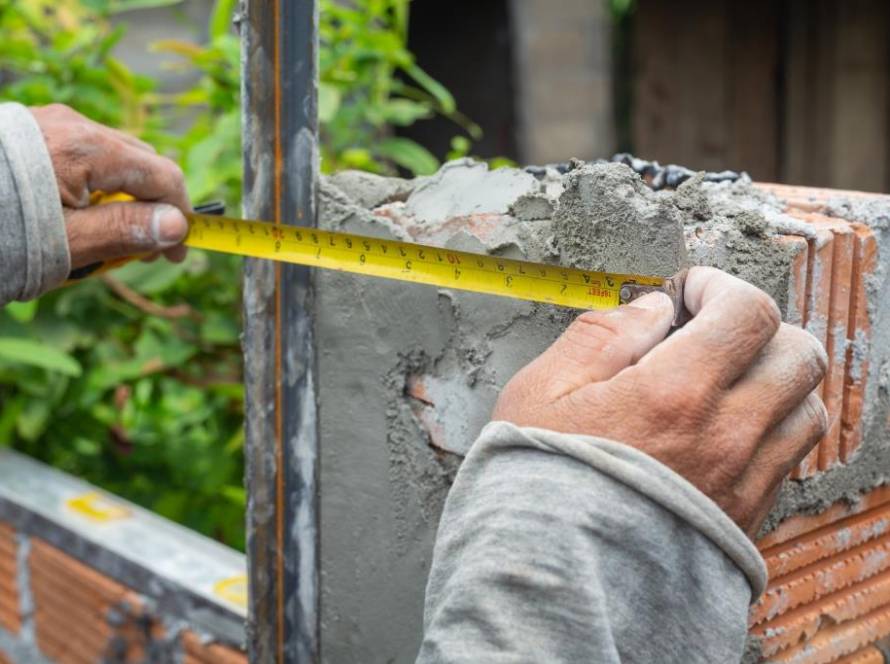
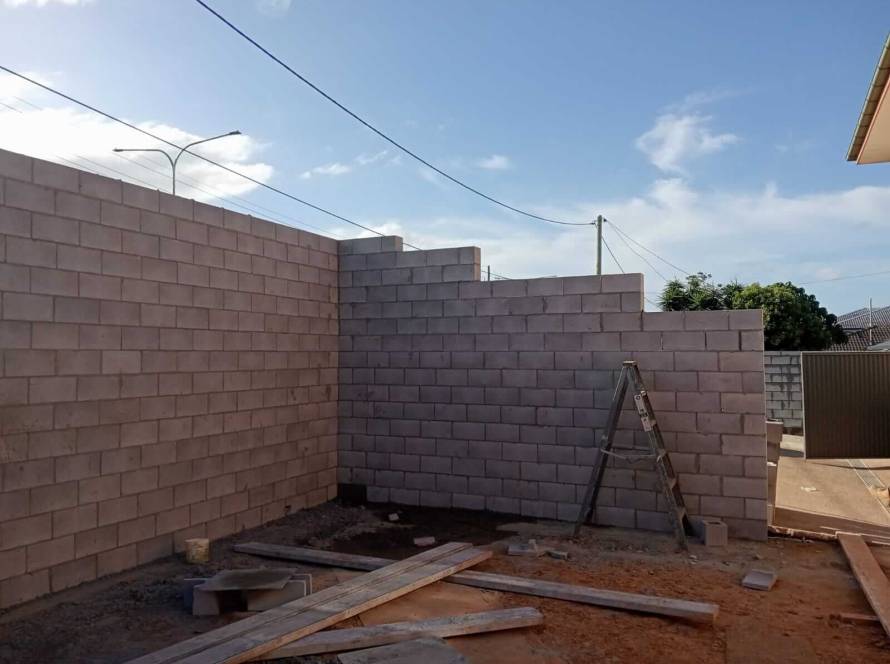
Brick walls are built to last, but even well-constructed brickwork can deteriorate over time. Weather exposure, moisture, ground movement, ageing mortar and poor drainage can gradually affect the condition of a brick wall. What starts as a small crack or a little crumbling mortar can eventually become a more serious masonry problem if the underlying cause is ignored.
For Brisbane homeowners, regular brickwork inspections are particularly important. Queensland’s changing weather conditions, heavy rainfall, humidity and seasonal storms can expose weaknesses in existing brickwork and mortar joints.
The challenge is knowing when a minor cosmetic issue needs attention and when it could indicate something more serious.
So, how do you know if your brick walls need professional repair?
In this guide, we explain the 10 most common signs of brick wall damage, what may be causing them, when professional attention is recommended and how timely brickwork repairs can help protect your property.
Whether you own an older Brisbane home, manage a rental property or maintain a commercial building, recognising these warning signs early can help you make better maintenance decisions.
Why Should You Never Ignore Brick Wall Damage?
Brickwork is more than just the visible exterior of a building. Depending on the construction type, it may provide structural support, weather protection, boundary definition or retaining functions.
When bricks or mortar begin to deteriorate, the problem may extend beyond appearance.
For example, damaged mortar joints can allow water to enter the masonry. Repeated moisture exposure may contribute to further deterioration, staining and damage to surrounding materials. Similarly, cracks that develop because of ongoing movement may continue to return if the underlying cause is not addressed.
The Queensland Building and Construction Commission (QBCC) provides guidance on different categories of masonry damage and the need for investigation, stabilisation and rectification where appropriate.
This is why professional brick wall repair should focus on identifying the cause of damage rather than simply covering visible cracks.
Top 10 Signs Your Brick Walls Need Professional Repair
1. Visible Cracks Appearing Across Brick Walls
Cracks are among the most noticeable warning signs of damaged brickwork.
You may notice thin lines running through mortar joints, cracks passing through individual bricks or diagonal patterns developing across sections of a wall.
Some cracks may be associated with minor movement or material changes, while others can indicate more significant issues involving foundations, ground conditions or structural movement.
What should you look for?
- Diagonal cracks running across brickwork.
- Stair-step cracks following mortar joints.
- Cracks extending through individual bricks.
- Cracks that become wider over time.
- Multiple cracks appearing in the same area.
A small crack does not automatically mean that your wall is structurally unsafe. However, changes in its width, length, location and pattern should not be ignored.
Professional recommendation: If cracks are growing, recurring or accompanied by wall movement, arrange a professional inspection. Where structural movement is suspected, an appropriately qualified structural engineer may also need to assess the cause.
2. Mortar Between Bricks Is Crumbling or Falling Out
Mortar holds individual bricks together and helps create stable, weather-resistant masonry.
Over time, exposure to rain, moisture, temperature changes and general ageing can cause mortar joints to deteriorate.
If you notice powdery mortar, loose material or sections falling out from between bricks, your wall may require professional repointing.
Common warning signs include:
- Mortar breaking apart when lightly touched.
- Small pieces of mortar collecting near the wall.
- Gaps developing between individual bricks.
- Mortar joints becoming uneven or recessed.
- Visible deterioration across several sections.
Ignoring damaged mortar can expose the joints to further weathering and moisture penetration.
Professional recommendation: Brick repointing involves removing deteriorated mortar to an appropriate depth and replacing it with suitable new mortar. The mortar selection and preparation should take account of the existing brickwork.
Learn more about our Brick Repointing and Repair Services in Brisbane.
3. Your Brick Wall Is Starting to Bulge or Lean
A brick wall should generally maintain its intended alignment.
If a section appears to be pushing outward, leaning or developing a noticeable curve, it deserves immediate attention.
This can be more concerning than isolated surface cracks because it may indicate movement or loss of stability.
Possible contributing factors include:
- Ground movement or settlement.
- Pressure from retained soil.
- Inadequate drainage.
- Deterioration of supporting elements.
- Construction or connection problems.
This is particularly important for boundary walls, retaining walls and freestanding masonry structures.
Professional recommendation: Keep people away from a visibly unstable wall and arrange an urgent assessment by an appropriately qualified professional. Do not attempt to push, brace or rebuild the wall yourself.
4. Water Stains or Damp Patches Are Appearing on Brick Walls
Have you noticed dark patches, damp areas or unusual staining on your brick walls after rainfall?
Moisture-related problems should be investigated, particularly when the staining keeps returning.
Water can enter masonry through deteriorated mortar joints, defective flashing, drainage problems, cracks or other openings.
In Brisbane, repeated exposure to heavy rain can make existing weaknesses more noticeable.
Look for these signs:
- Dark or damp patches on brick surfaces.
- Moisture appearing around mortar joints.
- Water staining near windows or doors.
- Dampness returning after rain.
- Deterioration around the lower sections of walls.
Professional recommendation: Identify where the moisture is entering before arranging cosmetic repairs. Repointing may help when damaged joints are responsible, but drainage, flashing or other defects may require separate attention.
5. White Powdery Deposits Are Appearing on Brickwork
Have you noticed a white, chalky substance forming on the surface of your bricks?
This may be efflorescence.
Efflorescence occurs when water moves through masonry, dissolves soluble salts and deposits them on the surface as the moisture evaporates.
It can appear as white powdery marks across bricks or mortar joints.
Although efflorescence is not automatically evidence of structural damage, repeated deposits may indicate ongoing moisture movement that deserves investigation.
Common causes include:
- Water entering through damaged mortar.
- Poor drainage around the property.
- Moisture rising from the ground.
- Repeated wetting and drying.
- Water movement through masonry materials.
Professional recommendation: Do not simply paint over or aggressively clean the affected area. Identify the moisture source first, especially if deposits return after cleaning.
6. Individual Bricks Are Cracked, Chipped or Breaking Apart
Mortar is not the only part of a wall that can deteriorate. Individual bricks can also become damaged.
You might notice cracked brick faces, broken corners, flaking surfaces or pieces of brick separating from the main structure.
This type of deterioration is sometimes referred to as brick spalling.
Possible contributing factors include moisture penetration, salt crystallisation, incompatible materials, physical impact and environmental exposure.
Warning signs include:
- Bricks breaking along their edges.
- Surface layers flaking away.
- Deep cracks through individual bricks.
- Loose brick fragments.
- Repeated deterioration in the same area.
Professional recommendation: Depending on the extent of damage, the repair may involve replacing individual bricks, repairing surrounding mortar joints or rebuilding an affected section.
A professional bricklayer can assess the damage and determine whether replacement is more suitable than surface patching.
7. Cracks Are Developing Around Windows and Doors
Have you noticed cracks forming above windows, around door frames or near the corners of openings?
These areas deserve particular attention because openings interrupt the continuous brickwork and rely on appropriate support and detailing.
Cracks around these locations can be associated with movement, support issues, moisture penetration or deterioration around lintels.
Look for:
- Diagonal cracks extending from window corners.
- Cracked mortar above door frames.
- Separation between brickwork and window frames.
- Rust staining around metal lintels.
- Repeated cracks appearing after previous repairs.
Not every crack around an opening indicates a serious structural issue. However, recurring or widening cracks should be assessed rather than repeatedly filled.
Professional recommendation: Arrange an inspection to establish whether the problem is limited to the mortar or involves the supporting components around the opening.
8. Your Brick Wall Is Showing Signs of Separation
Separation occurs when sections of brickwork begin pulling away from adjoining walls, columns or other connected building elements.
You may notice visible gaps at corners, around extensions or where two sections of masonry meet.
This can be associated with movement, inadequate connections, deterioration or changes in supporting conditions.
Common signs include:
- Gaps developing at wall junctions.
- Visible separation around corners.
- Cracks between an extension and the original building.
- Open joints around adjoining masonry.
- Gaps that gradually become more noticeable.
This is not something to treat as a simple cosmetic issue without first understanding the cause.
Professional recommendation: Have the affected masonry assessed. If there is significant movement or instability, seek advice from an appropriately qualified structural professional before repair work begins.
9. Previous Brick Wall Repairs Are Cracking Again
Have you already paid to repair a brick wall, only to see the same cracks return?
This can be frustrating for homeowners, particularly when the original repair appeared to solve the problem.
However, recurring damage can indicate that the repair addressed the visible symptom without resolving the underlying cause.
For example, filling a crack will not stop ongoing ground movement. Applying fresh mortar over deteriorated joints without proper preparation may also result in a poor repair.
Possible reasons include:
- The original cause of cracking was not identified.
- Mortar was applied without suitable joint preparation.
- The wrong repair materials were selected.
- Moisture or drainage problems remain unresolved.
- The wall continues to experience movement.
Professional recommendation: Before repeating the same repair, arrange a proper assessment of the affected section. A suitable repair should address the condition of the surrounding brickwork as well as the visible defect.
10. Your Brick Wall Is Becoming Uneven or Loose
A wall that once looked straight and solid may gradually start showing uneven sections, loose bricks or deteriorating joints.
This can be particularly concerning for older boundary walls, garden walls, retaining structures and exposed masonry.
Loose bricks can create a safety hazard, especially when located above pedestrian areas or near entrances.
Check for:
- Bricks that appear displaced.
- Sections that no longer align properly.
- Loose or unstable masonry.
- Noticeable changes in wall alignment.
- Deteriorating mortar across larger areas.
Professional recommendation: Do not attempt to remove or reposition unstable bricks yourself. Arrange an assessment to determine whether localised repairs, rebuilding or more extensive rectification is necessary.
When Should You Repair a Brick Wall Instead of Replacing It?
Not every damaged brick wall needs to be completely rebuilt.
The appropriate repair depends on the type, extent and cause of the damage.
Here is a general guide:
| Observed condition | Possible repair approach |
| Deteriorated mortar joints | Repointing |
| A few cracked or damaged bricks | Individual brick replacement |
| Localised damaged sections | Partial masonry rebuilding |
| Recurring cracks | Investigation of the underlying cause |
| Loose or unstable sections | Safety assessment and appropriate rectification |
| Significant wall movement | Structural assessment before repair |
The important thing is to select a repair method that suits the actual condition of the wall.
Why Brisbane Homeowners Should Pay Attention to Brickwork Maintenance
Brisbane properties experience a combination of environmental conditions that can affect masonry over time.
Heavy rainfall, humidity, changing temperatures and moisture around building foundations can all contribute to deterioration when water management or existing construction details are inadequate.
Here are a few practical maintenance habits worth following:
- Inspect external brick walls periodically.
- Look for changes in cracks and mortar joints.
- Keep gutters and stormwater drainage clear.
- Check that garden beds and soil do not cover damp-proof courses or weep holes.
- Investigate recurring damp patches.
- Take dated photographs of any developing damage.
- Arrange professional advice when cracks, movement or deterioration become noticeable.
Early identification does not guarantee that expensive repairs can always be avoided, but it gives property owners a better opportunity to understand the problem and choose an appropriate solution.
Why Choose Professional Brick Wall Repair Services in Brisbane?
Brickwork repairs require more than filling visible gaps or replacing a few damaged bricks.
The condition of the surrounding masonry, the original mortar, the type of construction and the cause of deterioration all matter.
At Bricklayers Brisbane, we are a family-owned business with over 30 years of experience in bricklaying and masonry work.
Our services include:
- Brick and block repairs.
- Repointing and mortar repairs.
- Damaged brick replacement.
- Residential and commercial masonry.
- Wall removal, replacement and making damaged walls safe.
- Entrance, retaining and feature wall construction.
We understand the importance of careful workmanship, suitable materials and a clean finish.
Whether you have noticed crumbling mortar, damaged bricks or cracks developing across an existing wall, our team can discuss your requirements and help identify an appropriate next step.
Explore our professional brick repointing and repair services to learn more.
Frequently Asked Questions About Brick Wall Repairs
1. How do I know if my brick wall needs professional repair?
Look for widening cracks, crumbling mortar, loose bricks, bulging sections, damp patches and recurring damage. These signs may indicate deterioration or movement that requires professional assessment.
2. Are cracks in brick walls always a structural problem?
No. Some cracks are minor and may be associated with normal material movement or other non-structural causes. However, widening, recurring, diagonal or movement-related cracks should be investigated.
3. What causes mortar between bricks to crumble?
Common contributing factors include weather exposure, moisture, ageing, salt attack, unsuitable mortar and poor original workmanship. An inspection can help identify the likely cause.
4. Can damaged brick walls be repaired without rebuilding the entire wall?
Yes. Depending on the condition, repairs may involve repointing, replacing individual bricks or rebuilding a small affected section. More extensive damage may require a different solution.
5. What is brick repointing?
Brick repointing is the process of removing deteriorated mortar from between bricks and replacing it with suitable new mortar. It helps restore damaged joints and improve the condition of existing brickwork.
6. How much does brick wall repair cost in Brisbane?
The cost depends on the extent of damage, wall size, access, materials, labour and whether additional structural or drainage work is required. A site assessment and clear scope of work are the best starting points for an accurate quote.
7. Can heavy rainfall damage brick walls?
Heavy rainfall can expose existing weaknesses in brickwork, particularly where mortar joints, flashing or drainage are defective. Persistent moisture can contribute to further deterioration.
8. When should I call a professional bricklayer?
Arrange an assessment when you notice crumbling mortar, damaged bricks, recurring cracks or loose masonry. If the wall is bulging, leaning or visibly unstable, keep people away and seek urgent professional assistance.
9. Is repointing enough to fix every cracked brick wall?
No. Repointing addresses deteriorated mortar joints. It does not correct underlying foundation movement, structural problems or defective drainage. The wall should be assessed before choosing a repair method.
10. Do Bricklayers Brisbane provide brick repair services?
Bricklayers Brisbane offers repointing, mortar repairs and other brick and block masonry services. Contact the team to discuss your property, the visible damage and the repair requirements.
Protect Your Property with Professional Brickwork Repairs
Brick wall damage rarely improves by simply ignoring it. A small amount of deteriorating mortar, a recurring crack or a loose brick may be an early indication that something needs attention.
The best approach is to identify the cause, assess the condition of the surrounding masonry and choose a repair method suited to the problem.
If you have noticed any of these warning signs at your Brisbane property, speak with an experienced bricklaying professional.
Contact Bricklayers Brisbane today to discuss your brickwork repair requirements.
Website: https://bricklayersbrisbane.com.au/
Phone: +61 431 138 393
Email: info@bricklayersbrisbane.com.au
Quality workmanship. Practical solutions. Brickwork built to last.